
Curtains vs. Blinds: Which One Is Better for You?
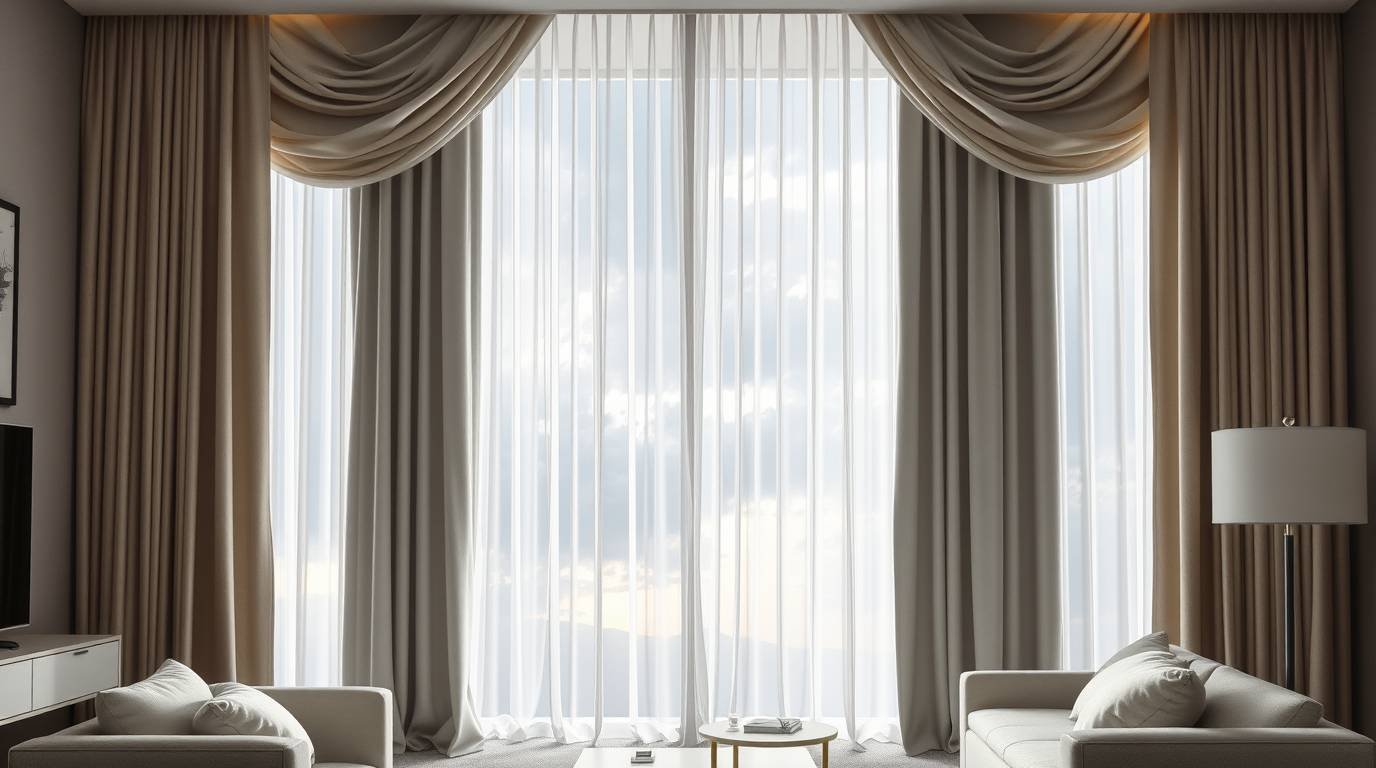
Choosing between curtains and blinds can feel confusing, especially when both options offer style, privacy, light control, and comfort. Based on commonly available information from interior-design guides, home-improvement resources, and manufacturer specifications, here is a clear and reliable comparison to help you decide which one fits your space best.
What Are Curtains?
Curtains are fabric panels that hang from a rod. They come in various materials such as cotton, linen, velvet, polyester, and blackout fabrics. Their performance—light control, insulation, and durability—depends on the fabric type and thickness. This is widely documented in home-decor guides and textile references.
Advantages of Curtains (Based on verifiable general knowledge)
- Better Insulation: Thick curtains and blackout fabrics usually provide stronger thermal and acoustic insulation compared to most blinds.
- Wide Design Choices: Patterns, colors, textures, and pleat styles allow more interior-decor flexibility.
- Softens the Room: Adds warmth and reduces echo in rooms with hard surfaces.
Disadvantages of Curtains
- Space Requirement: They need more space around windows.
- Cleaning Difficulty: Washing can be harder, depending on the fabric.
- May Wear Faster in Sunlight: Direct sunlight can fade certain fabrics over time—this is widely noted across textile care guides.
What Are Blinds?
Blinds are made from slats or panels—commonly aluminum, wood, faux wood, PVC, or fabric. They allow precise light control because slats can tilt, raise, or lower. These functions are standard across most blinds sold internationally.
Advantages of Blinds
- Precise Light Control: Tilt mechanisms offer more control than curtains.
- Space-Saving: Fits neatly inside or above the window frame.
- Easy to Clean: Hard-surface blinds are generally easier to wipe clean.
- Modern Appearance: Works well in contemporary interiors.
Disadvantages of Blinds
- Less Insulation: Most blinds don’t insulate as well as thick curtains; this is commonly mentioned in energy-efficiency comparisons.
- Noise: Slats can make noise when the window is open or when touched.
- Durability Varies: Aluminium slats may bend, and cheaper materials may age faster.
Curtains vs. Blinds — Side-by-Side Comparison
| Feature | Curtains | Blinds |
|---|---|---|
| Light Control | Moderate (depends on fabric) | High (slat tilting) |
| Privacy | Good | Very good |
| Insulation | Generally better | Generally lower |
| Cleaning | Fabric cleaning required | Easier for hard materials |
| Design Flexibility | Very high | Moderate |
| Space Requirement | Needs more room | Compact |
| Cost Range | Wide range | Wide range |
Note: Costs vary significantly by region, brand, and material. I cannot confirm exact prices without current market data.
Which Should You Choose?
Choose Curtains If:
- You want a soft, cozy, elegant room.
- You prefer strong insulation and noise reduction.
- You like decorative fabrics and patterns.
- Your room has enough space for fuller window treatments.
Choose Blinds If:
- Your style is modern or minimalistic.
- You need maximum light-control precision.
- You want something easy to maintain.
- Space is limited, like in kitchens, bathrooms, or offices.
Can You Combine Both?
Yes. Using blinds for functionality and curtains for styling is a common interior-design practice, based on widespread design recommendations. This combination improves insulation, enhances aesthetics, and increases light-control flexibility.
Final Thought
Based on widely verifiable information, there is no universal “best” option. Your choice depends on the room’s purpose, your design taste, and maintenance preference. If you want warmth and softness—curtains work better. If you prioritize light control and simplicity—blinds may be the stronger choice.