
How to Choose the Right Blinds for Each Room
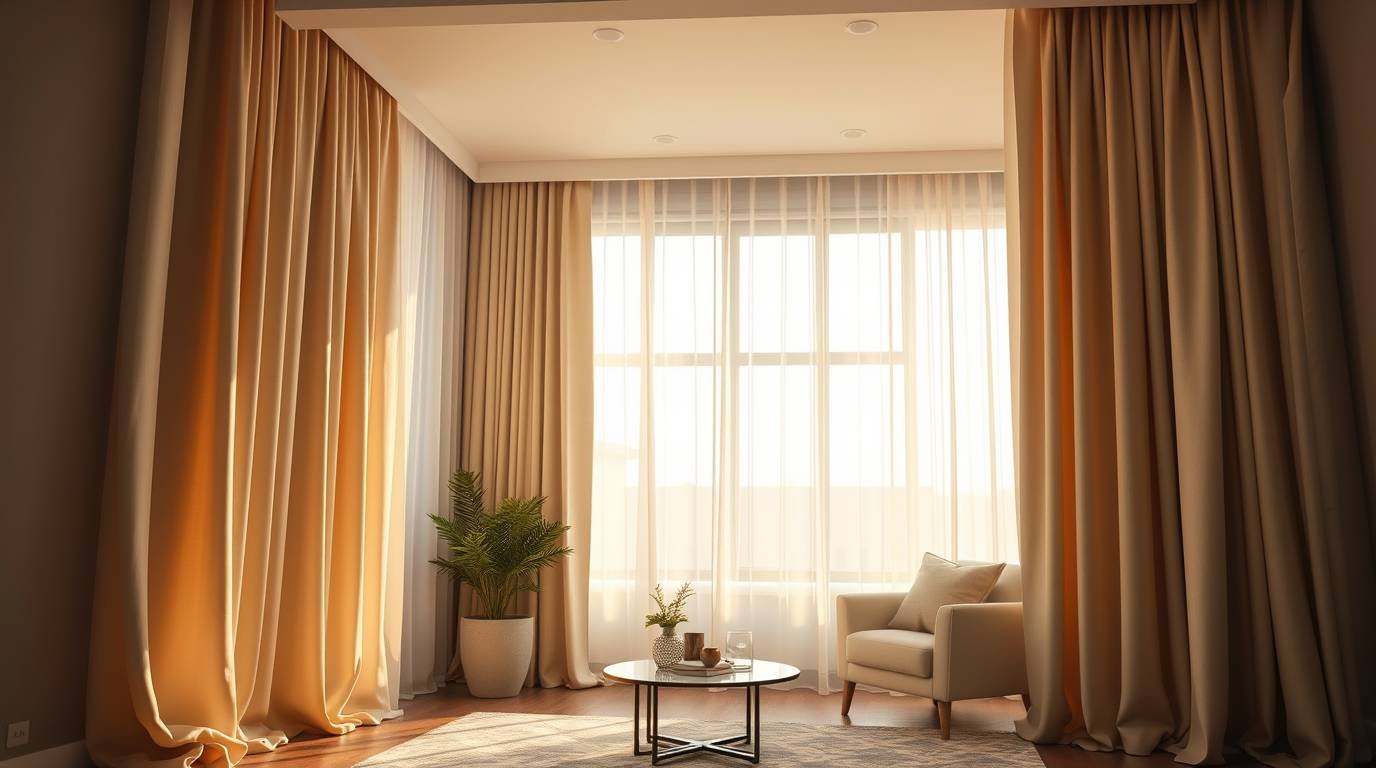
Selecting blinds for your home can feel overwhelming, especially with so many styles, materials, and features available. While interior design trends can change, the core principles of choosing the right blinds for each room remain consistent. Based on widely-accepted design guidelines and manufacturer recommendations, here is a room-by-room breakdown to help you make the best decision.
Why Blinds Matter
Blinds affect far more than just appearance. They can influence:
- Light control
- Privacy
- Temperature comfort
- Energy efficiency (varies by material and construction)
- Ease of cleaning
- Safety (especially in homes with children or pets)
These factors differ from room to room, so your blinds should be chosen accordingly.
Best Blinds for Each Room
1. Living Room
The living room is typically the most visible and frequently used area of a home. Based on general design guidance:
Recommended Types
- Wooden or Faux Wood Blinds: Offer a warm, elegant appearance. Faux wood is more moisture-resistant.
- Vertical Blinds: Suitable for large windows or sliding doors.
- Roman Blinds: A good choice if you want a softer, fabric-based look.
Why These Work
Living rooms usually require adjustable light and medium privacy. Blinds with tilt-control slats or layered fabric styles provide flexible daylight management.
2. Bedroom
The main need in a bedroom is privacy and sleep-friendly lighting.
Recommended Types
- Blackout Roller Blinds: Helps block outside light—useful for shift workers or bright urban areas.
- Honeycomb (Cellular) Blinds: Designed to improve insulation. Some manufacturers report energy-efficiency benefits, but these vary by brand and cannot be universally confirmed.
- Roman Blinds with Blackout Lining: Offers style with added light reduction.
Why These Work
These options support privacy and reduced light. Blackout materials are especially effective for undisturbed rest, although exact light-blocking performance differs across brands.
3. Kitchen
Kitchens generally need blinds that are easy to clean and resistant to moisture and heat.
Recommended Types
- Faux Wood Blinds: More resistant to humidity than real wood.
- Aluminum Venetian Blinds: Lightweight, durable, and simple to wipe.
- Roller Blinds (PVC or moisture-resistant fabric): Practical and low-maintenance.
Why These Work
These materials can handle cooking conditions better than natural fabrics, which might absorb grease or moisture.
4. Bathroom
Bathrooms require blinds that can withstand high humidity and still maintain privacy.
Recommended Types
- PVC Roller Blinds
- Faux Wood Blinds
- Aluminum Blinds
Why These Work
PVC and metal do not easily absorb moisture. Real wood or standard fabric blinds are generally not recommended unless labeled moisture-resistant by the manufacturer.
5. Home Office
Workspaces need glare control without making the room too dark.
Recommended Types
- Venetian Blinds (Aluminum or Wood): Easy to tilt to reduce screen glare.
- Zebra/Day-Night Blinds: Allows both diffused light and partial blackout modes.
- Solar Roller Blinds: Designed to reduce glare while keeping outside visibility—effectiveness varies by material.
Why These Work
These blinds help maintain a comfortable working environment without harsh sunlight interfering with screens.
6. Kids’ Room
Here, the priority is safety, followed by comfort and light-control.
Recommended Types
- Cordless Roller Blinds
- Cordless Cellular Blinds
Why These Work
Cordless designs reduce risks. Blackout options can also help regulate sleep patterns.
How to Choose the Right Blind Material
Fabric Blinds
- Soft look
- Available in blackout or light-filtering options
- Not ideal for humid areas unless specified
Wood Blinds
- Natural, warm appearance
- Not moisture-safe unless treated
- Better for dry areas like living rooms
Faux Wood Blinds
- Look like real wood
- Moisture-resistant
- More stable in hot or humid rooms
Aluminum Blinds
- Durable and lightweight
- Easy to clean
- Suitable for kitchens and bathrooms
PVC / Vinyl Blinds
- Moisture-resistant
- Budget-friendly
- Versatile across many rooms
Key Factors to Consider Before Buying
1. Light Control Needs
More light? Choose sheer or light-filtering fabrics.
Less light? Choose blackout or tightly closing slats.
2. Privacy
Bedrooms and bathrooms require higher privacy compared to living or dining rooms.
3. Window Size and Shape
Vertical blinds suit large openings.
Roller blinds suit small to medium windows.
4. Maintenance Level
Aluminum and faux wood are easier to clean.
Fabric blinds may require more frequent maintenance.
5. Child Safety
If children are present, cordless blinds are strongly recommended.
6. Budget
Costs vary by blind type, fabric, and size. If pricing is unclear, always request a quote from the supplier.
Final Thoughts
Choosing the right blinds for each room requires balancing style, functionality, and practicality. While preferences differ by household, the guidelines above are based on commonly recommended industry practices and material characteristics. If you’re unsure about a specific blind type or material, it’s best to check the specifications provided by the manufacturer, since performance varies.