
How to Choose the Perfect Curtains for Your Living Room
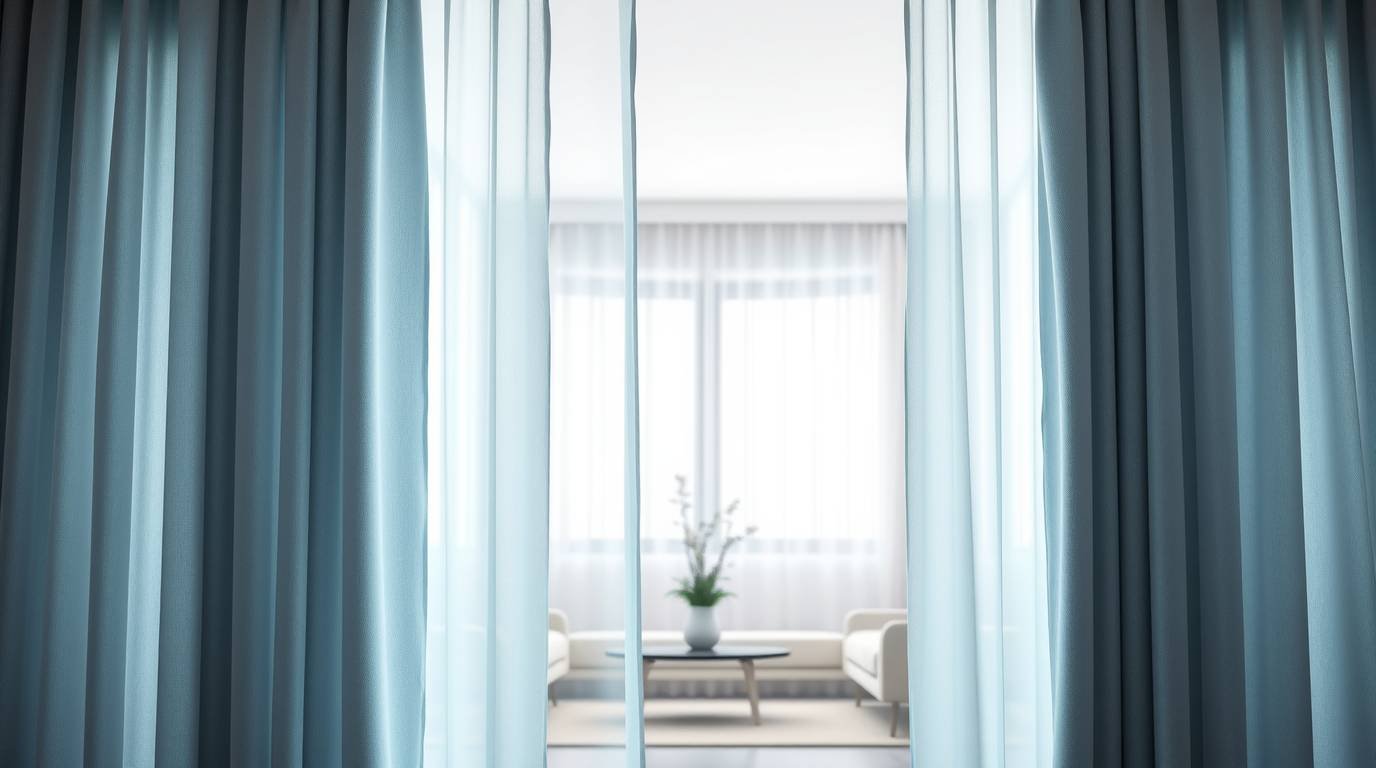
Selecting curtains for a living room is more than picking a fabric you like—it’s about balancing style, light control, privacy, and functionality. Based on widely accepted interior-design practices, the right curtains can transform a space by adding warmth, depth, and character. Here is a clear, reliable guide to help you make the best choice for your living space.
1. Understand Your Living Room’s Purpose
Every living room serves a different role—some are bright social spaces, others are cozy TV lounges. Before choosing curtains, consider:
- How much natural light do you want?
Some homes benefit from softer, filtered light; others need heavier shading. - Do you need privacy?
Ground-floor rooms or street-facing windows often require thicker or layered curtains. - What is the overall mood you want to create?
Light fabrics feel airy; heavy fabrics feel elegant and formal.
These are general design principles rather than strict rules.
2. Measure Your Windows Accurately
Accurate measurement is essential to avoid misfitting curtains.
- Width:
A commonly recommended approach is choosing curtains that are roughly 1.5 to 2 times the width of your window for a fuller look. This is a typical design guideline, not a scientific rule. - Height:
Curtains hung from near the ceiling (not just above the window frame) generally make a room appear taller—another widely accepted design technique.
For complete accuracy, always measure the exact window size and the height from rod placement to the floor.
3. Choose the Right Fabric
Fabric affects light, durability, and overall appearance.
Sheer Fabric
Allows soft, diffused light. Best for rooms where privacy is not the main concern.
Cotton & Linen
Versatile and lightweight. They offer moderate privacy and work well with most décor styles.
Velvet or Heavy Drapes
Provide maximum privacy and excellent light blocking. Commonly chosen for a luxurious or formal ambiance.
These fabric behaviors are based on typical physical properties of textile materials.
4. Consider Curtain Styles
Here are a few commonly used styles:
- Eyelet (Grommet) Curtains:
Modern, easy to slide, ideal for everyday use. - Pencil Pleat Curtains:
Slightly more traditional and adaptable to various rods and tracks. - Pinch Pleat Curtains:
Often chosen for a premium, tailored look. - Blackout Curtains:
Useful where strong sunlight needs blocking.
These are standard curtain styles widely available in most curtain and home décor stores.
5. Pick Colors That Match Your Interior
Color selection affects the room’s balance:
- Neutral tones blend smoothly with most décor.
- Bold colors can serve as a focal point.
- Dark colors make rooms feel cozy but may reduce the perceived size.
- Light colors can brighten and visually expand a space.
These effects are widely discussed in color-theory and interior-design guidelines.
6. Think About Light Control & Privacy
Curtains contribute significantly to lighting:
- Sheers filter light gently.
- Dim-out curtains reduce brightness but don’t block fully.
- Blackout curtains block most external light (actual performance varies by manufacturer; always check product specifications).
For flexible control, many people choose double-layered curtains—a sheer layer combined with a thicker outer curtain.
7. Match Curtains with Existing Décor
Curtains should complement—not compete with—your furniture and décor.
Consider matching them with:
- Sofa fabric tones
- Rugs
- Wall colors
- Decorative accents
Interior designers often recommend creating harmony instead of high contrast unless the goal is a dramatic focal point.
8. Don’t Forget Curtain Rods and Accessories
Rod style impacts the overall look. For example:
- Metal rods suit modern rooms.
- Wooden rods fit traditional or rustic interiors.
Tiebacks, hooks, and rings also refine the appearance, though their aesthetic impact depends on personal preference.
9. Think About Maintenance
Different fabrics require different care:
- Cotton and polyester are usually easier to wash.
- Velvet, silk, and some heavy fabrics may require professional cleaning.
Care instructions vary by manufacturer, so checking labels is important.
10. When to Go for Custom Curtains
Custom curtains are useful when:
- Your windows have non-standard sizes.
- You want precise color matching.
- You need special functions such as double lining.
Customization ensures perfect fitting but usually costs more than ready-made options.
Final Thoughts
Choosing the perfect curtains involves balancing aesthetics and practicality. Based on established interior-design practices, the best curtain is the one that suits your window size, lifestyle, décor theme, and lighting needs. If any specific detail—such as fabric durability or blackout performance—is important to you, checking the manufacturer’s specifications is the most accurate way to confirm it.